Jan 03
Effective Fabric Care for Dog Odors
What if I told you that the key to a harmonious home with your furry friend lies in understanding and managing dog odors? Embracing this knowledge not only enhances your living space but also contributes to your dog's happiness and health.
What You Will Learn
- Dog odors develop from skin oils, saliva, and waste, which can penetrate deep into fabrics.
- Common fabrics like cotton, wool, and microfiber are particularly prone to retaining pet smells.
- Odor-resistant fabrics offer benefits like easy cleaning and enhanced durability, making them ideal for pet owners.
- Prompt action on stains, using eco-friendly cleaning solutions, and regular maintenance are essential for odor control.
Understanding Dog Odor Development in Fabrics
This visual outlines the primary factors contributing to dog odors in fabrics and the fabric types most susceptible to retaining these smells, alongside the benefits of odor-resistant options.
Causes of Dog Odors
- Skin Oils: Accumulate on fabrics.
- Saliva: Leaves odors when dried.
- Waste Accidents: Lingering smells if not treated.
Fabrics Prone to Odors
- Cotton: Absorbs oils easily.
- Wool: Can hold odors if not cared for.
- Microfiber: Can trap pet odors.
- Blends: Complicate odor removal.
Odor-Resistant Fabrics & Benefits
- Easy to Clean: Machine washable.
- Durability: Withstand wear and tear.
- Odor Control: Neutralize smells.
Best Practices for Fabric Care
- Act Quickly on Stains
- Use Enzyme Cleaners
- Regular Cleaning Schedule
- Wash Pet Bedding Frequently
Understanding Dog Odors and Their Impact on Home Fabrics
As a dog owner, I know that our furry friends can bring so much joy into our lives. However, they can also introduce unwanted odors into our homes, especially when it comes to our fabrics. Understanding how these odors develop and their effects on our living spaces is essential for maintaining a clean and pleasant environment for both us and our dogs.
When it comes to dog odors, it’s not just the smell that can linger; these odors can penetrate various fabrics, making them challenging to remove. By knowing the causes of these odors and how they affect different materials, we can better equip ourselves to tackle them effectively. For a deeper dive into overall pet hygiene, explore building a preventative dog hygiene routine.
How Dog Odors Develop in Fabrics
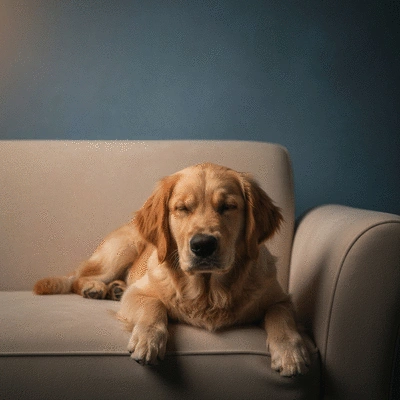
Dog odors typically arise from a combination of factors, including oils from their skin, saliva, and, of course, waste accidents. These substances can seep deeply into fabric fibers, creating persistent odors that are often hard to eliminate. Additionally, wet fur and dander also contribute to unpleasant smells, especially in enclosed spaces.
- Skin oils: These natural oils can accumulate on fabrics over time.
- Saliva: A dog's slobber can leave behind odors when dried.
- Urine and feces: Accidents can create strong, lingering smells if not treated promptly.
Understanding these factors can help you identify the best methods to keep your fabrics smelling fresh and clean. At FreshPaws Habitat, I’m passionate about empowering dog owners to create a comfortable, odor-free home for their pets!
Common Fabrics Prone to Dog Odors
Not all fabrics are created equal when it comes to holding onto those pesky dog odors. Some materials are more susceptible to retaining smells than others. Here are a few common fabrics you might encounter:
- Cotton: While breathable, it can absorb oils and stains easily.
- Wool: Known for its warmth, it can also hold onto odors if not cared for properly.
- Microfiber: Although it’s often touted as stain-resistant, it can still trap odors from pets.
- Blends: Fabrics that mix different materials can complicate odor removal efforts.
Being aware of these fabric types helps you choose appropriate cleaning methods and maintain a fresher home environment. Remember, regular maintenance is vital in preventing odors from becoming entrenched in your living spaces! For more comprehensive advice on keeping your home clean with pets, read our dog-friendly cleaning tips for homes.
Odor-Resistant Fabrics and Their Benefits
Fortunately, there are odor-resistant fabrics designed specifically to combat pet smells! These materials can make a significant difference in your home. Here are some benefits of using odor-resistant fabrics:
- Easy to clean: Many of these fabrics are machine washable and quick to dry.
- Durability: They often withstand wear and tear, making them ideal for active households.
- Odor control: Specialized treatments help neutralize smells before they settle in.

When investing in new furniture or pet accessories, consider exploring these odor-resistant options. They can save you a lot of time and effort in keeping your home fresh and welcoming!
Pro Tip
To effectively combat dog odors in your home, consider integrating an air purifier with a HEPA filter. These purifiers can significantly reduce airborne particles, including pet dander and odors, creating a fresher environment for you and your furry friend!
Summarizing Best Practices for Fabric Care
When it comes to keeping your home smelling fresh, especially with our furry friends around, it's crucial to employ effective fabric care practices. At FreshPaws Habitat, we’ve learned that consistency is key! Here are some essential takeaways to help you eliminate those stubborn dog odors:
- Act quickly on any stains. The sooner you address accidents, the easier they are to clean.
- Utilize homemade cleaning solutions like baking soda and vinegar, which are effective and eco-friendly.
- Invest in enzyme cleaners that break down odor-causing substances effectively.
- Establish a regular cleaning schedule to keep fabric areas fresh and odor-free.
- Wash dog bedding and covers frequently to prevent buildup of odors.
These steps not only create a cleaner environment for you and your dog but also enhance the overall comfort of your home. It’s also important to consider grooming space hygiene and comfort as part of your overall strategy.
Final Thoughts on Maintaining a Fresh Home Environment
Maintaining a fresh home environment is definitely a challenge for pet owners, but it's entirely achievable! Remember, a clean home contributes significantly to your dog's happiness and health. Regularly incorporating the above practices will help you stay ahead of odor issues and keep your spaces inviting. If you ever feel overwhelmed, don’t hesitate to reach out for support or advice!
At FreshPaws Habitat, we believe that a little effort goes a long way in ensuring your home remains a cozy haven for both you and your furry companion!
Engaging with Your Experience
Share Your Own Tips for Dog Odor Removal
I’d love to hear from you! What tips or tricks have you discovered in your quest to keep your home fresh? Sharing our experiences can help us all tackle the challenges of dog ownership together!
Explore Professional Services as a Last Resort
If you find that odors persist despite your best efforts, exploring professional cleaning services may be a wise move. Many companies specialize in pet-related cleaning and can provide deeper cleaning solutions that make a significant difference. Remember, it’s all about creating the best environment for our beloved dogs!
Recap of Key Points
Here is a quick recap of the important points discussed in the article:
- Understand Dog Odors: Dog odors arise from skin oils, saliva, and waste accidents that can seep into fabrics.
- Common Fabrics: Fabrics like cotton, wool, microfiber, and blends are more prone to retaining dog odors.
- Odor-Resistant Fabrics: Investing in odor-resistant fabrics can simplify cleaning and help control smells.
- Effective Cleaning Practices: Quickly address stains, use eco-friendly cleaning solutions, and maintain a regular cleaning schedule.
- Regular Maintenance: Wash dog bedding frequently to prevent odors from building up.
Frequently Asked Questions
What causes dog odors in fabrics?
Dog odors in fabrics typically originate from a combination of factors including oils from their skin, saliva, and urine or feces if accidents occur. These substances can deeply penetrate fabric fibers, leading to persistent smells.
Which fabrics are most susceptible to retaining dog odors?
Common fabrics such as cotton, wool, microfiber, and various blends are particularly prone to retaining dog odors. Cotton absorbs oils easily, wool can hold odors if not properly cared for, and microfiber can trap pet smells.
What are the benefits of odor-resistant fabrics for pet owners?
Odor-resistant fabrics offer several benefits, including being easy to clean (often machine washable), high durability to withstand wear and tear from pets, and specialized treatments that help neutralize smells before they settle in, keeping your home fresher.
What are the best practices for removing dog odors from fabrics?
To effectively remove dog odors, it's crucial to act quickly on stains, use enzyme cleaners that break down odor-causing substances, establish a regular cleaning schedule, and wash pet bedding and covers frequently. Eco-friendly solutions like baking soda and vinegar can also be effective.
When should I consider professional cleaning services for persistent odors?
If dog odors persist despite consistent cleaning efforts and the use of appropriate products, it may be time to consider professional cleaning services. Many companies specialize in pet-related cleaning and can provide deeper solutions for stubborn smells.

Elena McCarthy
Canine wellness advocate. Founder of FreshPaws Habitat. Dedicated to enhancing the lives of dogs and their owners.
Elena McCarthy is dedicated to transforming dog's living spaces into healthier, cleaner environments, empowering dog owners to embrace a proactive care routine. Join her on our blog for daily tips and tailored strategies that simplify your pet care and enhance your dog's well-being.