Understanding Skin Conditions:
The Basics
Common issues: Allergies, Dermatitis, Infections.
- Allergies: Food, pollen, dust mites.
- Dermatitis: Irritant-induced inflammation.
- Infections: Bacterial/fungal discomfort.
Welcome to FreshPaws Habitat!
May 23
As a dog owner, your awareness of your furry friend's skin health can make a world of difference. Did you know that early recognition of skin issues can prevent serious health problems later on? In this guide, you’ll discover essential insights to help you keep your dog's skin healthy and comfortable.
Understanding the common signs of skin issues in dogs and knowing when to act can significantly improve their well-being. This guide highlights key symptoms and appropriate responses.
Common issues: Allergies, Dermatitis, Infections.
As a dog owner, being aware of your furry friend's skin health is crucial. Just like humans, dogs can suffer from various skin conditions that may go unnoticed at first. Recognizing the early signs of skin problems can prevent more serious issues down the line. In this section, we'll delve into the basics of skin conditions, help you identify early symptoms, and arm you with the knowledge you need to keep your dog happy and healthy!
Common skin problems in dogs include allergies, dermatitis, and infections. These conditions can affect any dog, but some breeds are more predisposed to skin issues than others. For instance, Bulldogs and Boxers frequently experience skin allergies, while Golden Retrievers are known for their susceptibility to hot spots. Understanding the basics can help you spot potential issues before they escalate. For more insights on how to maintain overall well-being, explore building a preventative dog hygiene routine.
Recognizing these issues early on can significantly enhance your dog's quality of life. A proactive approach is key!
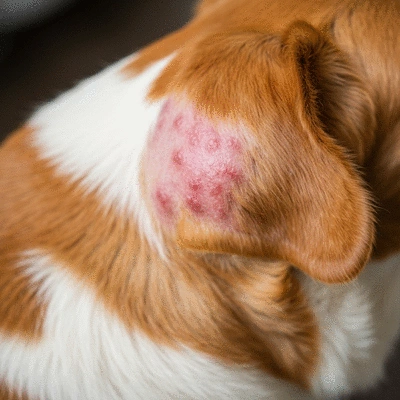
Early signs of skin problems in dogs can manifest in several ways. Familiarizing yourself with these symptoms enables you to act quickly. Look for signs such as rashes, discoloration, and changing moles. Each of these can indicate a developing issue that needs your attention.
Being vigilant about these symptoms can help you maintain your dog's skin health and comfort. Remember, it’s always better to be safe than sorry!
Your dog's skin is a window into their overall health. Specific warning signs can indicate various conditions that require your attention. For instance, eczema, psoriasis, acne, and even skin cancer can show up on your pet’s skin.
Monitoring these symptoms ensures that you catch anything concerning early, leading to a smoother path to recovery.
Skin irritation can stem from various sources such as allergies, dermatitis, or environmental factors. Common irritants include certain foods, plants, and even cleaning products. Understanding how to identify these irritants can save your pup from discomfort.
Once you identify the source, you can take action to remove irritants from your dog's environment and relieve their symptoms. Learning more about dog-friendly cleaning tips for homes can also help reduce environmental irritants.
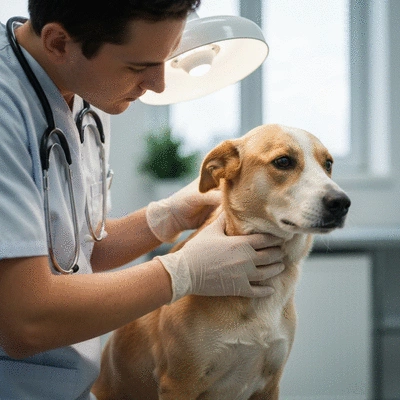
Monitoring your dog's skin changes is vital, but knowing when to seek professional help is equally important. If you notice persistent symptoms, it's time to consult a veterinarian. Assessing the severity of the symptoms can guide your decision.
Being proactive and informed will help you ensure your dog's skin stays healthy and comfortable. Don't hesitate to reach out for expert advice when in doubt!
Did you know that regular grooming not only helps keep your dog's coat looking great but also plays a crucial role in skin health? Brushing removes dead hair and dander, reduces the risk of matting, and stimulates natural oil production, which keeps the skin moisturized and healthy. Aim for at least a few brushing sessions each week to maintain optimal skin and coat condition!
As a dog owner and wellness advocate, I know that understanding your pet's skin health is just as important as knowing about their diet and exercise needs! Taking the time to educate yourself about skin conditions can make a significant difference in your furry friend's well-being. By being informed, you can recognize symptoms early and act swiftly to address any issues that arise.
There are so many resources available today, from books to online articles, that can help you understand the most common skin problems your dog may face. You might find it helpful to keep a list of symptoms that concern you as you learn more. This way, you’ll be better equipped to discuss your dog's skin health with your veterinarian!
Recognizing when to consult a veterinarian is key to your dog's skin health. Here are some indicators that it's time to make that call:
These symptoms could indicate underlying issues that require professional attention. Catching problems early can save your dog from discomfort and lead to more effective treatment options. Remember, it’s always better to err on the side of caution!
To further enhance your understanding of skin health, consider engaging with reputable dermatology resources. For instance, the American Academy of Dermatology offers valuable information about various skin conditions and their treatments. By utilizing these trusted sources, you can stay updated on the latest in skin health and wellness!
Additionally, local veterinary dermatology clinics may have educational materials or workshops that can deepen your knowledge about your dog's skin care needs. Don't hesitate to reach out!
Knowledge is power, especially when it comes to treatment options for skin conditions your dog may face. Here’s a brief overview of some common treatments:
Understanding these treatment options can empower you to have informed discussions with your veterinarian. It’s important to choose the best path for your dog’s skin health!
I encourage all pet owners to take immediate steps in monitoring their dog's skin! Regular checks can help you catch any changes early. Consider setting up a schedule to examine your dog's skin and coat at least once a week. This simple action can lead to better health outcomes and a happier pup!
Remember, you’re not alone in this journey. If you notice anything concerning, don’t hesitate to reach out to your veterinarian. Your dog's comfort and health depend on your proactive care!
Here are some common questions about dog skin health:
Here is a quick recap of the important points discussed in the article:
Canine wellness advocate. Founder of FreshPaws Habitat. Dedicated to enhancing the lives of dogs and their owners.
Elena McCarthy is dedicated to transforming dog's living spaces into healthier, cleaner environments, empowering dog owners to embrace a proactive care routine. Join her on our blog for daily tips and tailored strategies that simplify your pet care and enhance your dog's well-being.
Canine Wellness Advocate. Founder of FreshPaws Habitat. Dedicated to enhancing the lives of dogs and their owners.
Elena McCarthy is dedicated to transforming dog owners' homes into clean, comfortable, and healthy habitats, empowering fellow dog lovers to embrace a proactive approach to pet hygiene. Join her on our blog for expert insights and practical strategies that simplify your pet care routines and enhance your dog's well-being.