Importance of Air Quality
- Reduces allergens (dust, pollen, dander)
- Controls pet odors effectively
- Aids in temperature regulation
Welcome to FreshPaws Habitat!
Jan 26
Good airflow is essential for your dog's health and happiness. Have you ever considered how the air quality in your home affects your furry friend? Let’s explore how effective airflow strategies can make a significant difference in creating a comfortable living environment for your dog.
Ensuring proper airflow for your dog's environment is crucial for their health and comfort. Here’s a breakdown of vital areas to focus on, from placement to maintenance. This is an important part of building a preventative dog hygiene routine.
Creating a comfortable dog environment starts with understanding the importance of airflow. Proper ventilation is crucial for our furry friends, not just for comfort, but also for their health! Good airflow helps reduce allergens and unpleasant odors while enhancing overall well-being. By focusing on air quality, we can ensure that our dogs feel safe and relaxed in their living spaces.
As a dog lover, I’ve seen how a simple change in airflow can make a huge difference. For instance, providing fresh air can minimize respiratory issues and promote a healthier lifestyle for our pets. Let's dive deeper into how we can achieve this!
The quality of air in your home plays a significant role in your dog's comfort and health. Poor air quality can lead to a host of issues, including allergies and irritation. Here are some key points to consider:
By ensuring that your living space is well-ventilated, you can foster a healthier environment for your pup. I’ve noticed that my own dogs are much happier and more energetic when they have access to fresh air and a clean atmosphere!
When it comes to your dog's crate or kennel, placement is everything! To maximize ventilation, consider the following tips:
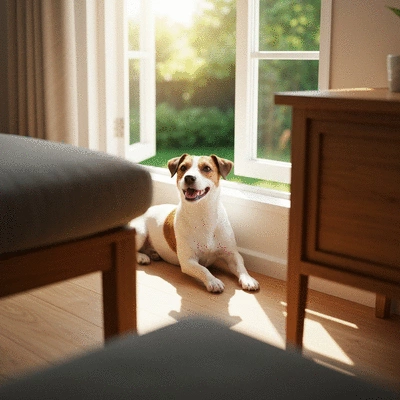
By thoughtfully positioning your dog’s space, you can create a more comfortable area that helps keep them cool and calm. This also applies to maintaining a hygienic and comfortable grooming space. I always try to ensure my dogs have a cozy spot by a window where they can feel the breeze while lounging!
Maintaining good air quality is vital for your dog's well-being. Here are some effective airflow management techniques:
Implementing these techniques can significantly enhance your dog’s living conditions. In my experience with FreshPaws Habitat, I’ve seen firsthand how a little care in airflow management can lead to happier, healthier pups.
Now that we’ve covered the basics of airflow, let’s look at some tools and techniques to further improve air circulation in your dog’s environment!
Did you know? Incorporating indoor plants can significantly improve air quality in your dog's environment? Plants like spider plants, peace lilies, and Boston ferns not only enhance aesthetic appeal but also work as natural air purifiers, absorbing toxins and releasing oxygen. Just ensure these plants are non-toxic to pets!
A: Good airflow is crucial for reducing allergens (like dust and dander), controlling pet odors, and regulating temperature, all of which contribute to your dog's overall health and comfort.
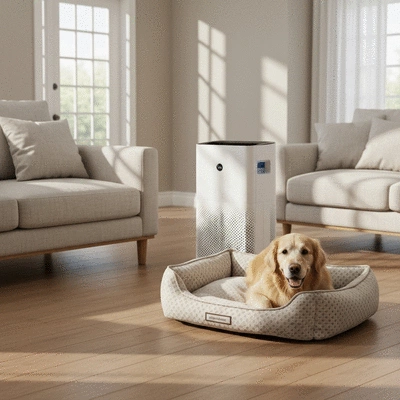
A: You can improve air quality by using fans for circulation, opening windows for cross-ventilation, investing in an air purifier, and regularly cleaning filters. Incorporating non-toxic indoor plants can also help.
A: Place crates near vents or windows to utilize natural airflow. Choosing elevated models that allow air to circulate underneath and ensuring the area is free from obstructions will also help.
A: Reposition your dog’s crate or bed, invest in an air purifier, use cooling accessories (like mats), and regularly clean filters and fans to maintain efficient airflow.
A: Yes, consulting with a veterinarian can provide personalized insights tailored to your dog’s specific needs, especially if they have respiratory issues or allergies.
As we wrap up our exploration of airflow strategies for dogs, it’s clear that effective airflow plays a crucial role in maintaining a fresh and healthy environment. By optimizing air quality in your home, you can significantly enhance your dog’s comfort and well-being. From placement strategies to cooling solutions, there are numerous ways to ensure your furry friend enjoys a space that promotes health and happiness!
Now that we've covered the essentials, I encourage you to take a moment and evaluate your current setup. Are there areas where airflow could be improved? Every small change contributes to a better living environment for your dog. For more tips on pet care, consider exploring dog-friendly cleaning tips for homes.
These simple steps can lead to a noticeable difference in your dog's comfort. As you implement these strategies, consider starting with just one or two adjustments and gradually expand your efforts as needed!
Don't forget, consulting with a veterinarian can provide personalized insights tailored to your dog’s specific needs! They can help identify any unique requirements related to your pet’s health. Additionally, I invite you to share your experiences or tips with our community. Whether through comments or social media, your input can foster a supportive space for fellow dog owners.
Finally, keeping track of your indoor air quality is essential. Investing in an air quality monitor can help you stay informed about the conditions in your home. Regular assessments will ensure that your dog’s living environment remains healthy and comfortable. Remember, a happy dog is a healthy dog, and it all starts with the air they breathe!
Here is a quick recap of the important points discussed in the article:
Canine wellness advocate. Founder of FreshPaws Habitat. Dedicated to enhancing the lives of dogs and their owners.
Elena McCarthy is dedicated to transforming dog's living spaces into healthier, cleaner environments, empowering dog owners to embrace a proactive care routine. Join her on our blog for daily tips and tailored strategies that simplify your pet care and enhance your dog's well-being.
Canine Wellness Advocate. Founder of FreshPaws Habitat. Dedicated to enhancing the lives of dogs and their owners.
Elena McCarthy is dedicated to transforming dog owners' homes into clean, comfortable, and healthy habitats, empowering fellow dog lovers to embrace a proactive approach to pet hygiene. Join her on our blog for expert insights and practical strategies that simplify your pet care routines and enhance your dog's well-being.