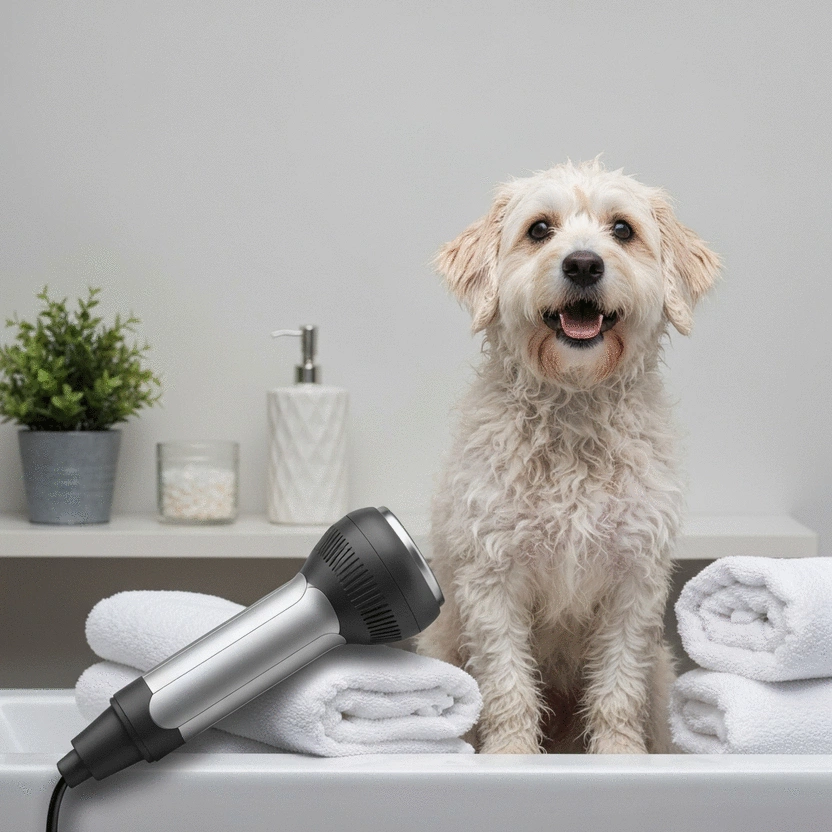
Choosing the Right Towels
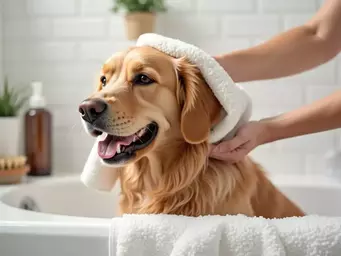
Opt for highly absorbent materials like microfiber (holds several times its weight in water) or cotton. Avoid regular bath towels due to pet hair.
Microfiber: 3-5x More Absorbent
Welcome to FreshPaws Habitat!
Feb 02
What if I told you that a simple towel could be one of your best allies in keeping your dog fresh and odor-free? Understanding the right techniques can transform bath time into a stress-free experience for both you and your furry friend.
Transform your post-bath routine from a chore into a seamless experience with these proven techniques for optimal drying and odor prevention.
Opt for highly absorbent materials like microfiber (holds several times its weight in water) or cotton. Avoid regular bath towels due to pet hair.
After bath time, ensuring your dog is properly dried can significantly impact their overall comfort and help prevent that unpleasant wet dog smell. I’ve learned from experience that a good drying routine not only keeps our furry friends happy but also contributes to their skin and coat health. In this section, I’ll share some effective techniques that I’ve found useful in my journey as a canine wellness advocate.
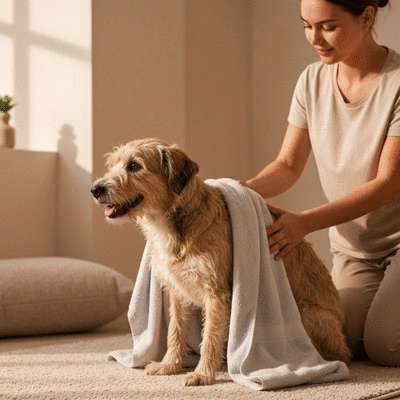
Towel drying might seem basic, but it sets the stage for a successful drying routine. The moisture left on your dog's coat can lead to odors and skin issues, so a proper towel-drying technique is essential. Let’s dive into some important aspects.
When selecting towels, look for options made of highly absorbent materials like microfiber or cotton. Microfiber towels are particularly effective because they can hold several times their weight in water! Additionally, avoid using your bath towels as they may not be designed for pet hair, which can lead to frustration during drying. For more insights on selecting the best tools for grooming, check out our guide on building a preventative dog hygiene routine.
This process not only helps in drying but also avoids tangles, especially in longer coats. Remember, a thorough drying routine is key to preventing odors!
If you want to speed things up, a high-velocity dryer might be your best friend! These powerful tools can cut drying time significantly, making them a favorite among many dog owners, including myself.
Choosing to invest in a quality high-velocity dryer can transform your post-bath experience, both for you and your pup!
It’s important to adjust the settings based on your dog’s breed and coat type. For example, short-haired breeds may need a lower setting, while long-haired breeds benefit from higher speeds. Always keep an eye on your dog to ensure they’re comfortable and adjust as needed. For detailed advice on selecting the ideal dryer for your pet, explore our article on choosing the right dog dryer.
After drying, brushing can play a crucial role in maintaining a healthy coat. It’s a two-for-one benefit: drying and grooming in one go!
This method not only ensures a thorough drying experience but also promotes healthy fur by distributing natural oils evenly.
For the best results, I recommend using tools like slicker brushes or bristle brushes. These types help to remove loose fur while minimizing tangles. A well-groomed coat is less likely to hold onto odors, so it’s a win-win!
For those rainy days when outdoor drying isn’t an option, having effective indoor drying techniques is essential.
Setting up a drying rack in a well-ventilated area can facilitate airflow around your dog’s coat, speeding up the drying process. This method is especially helpful for larger breeds who may take longer to dry completely.
Lastly, don’t underestimate the power of microfiber towels when drying indoors! They are lightweight, easily washable, and incredibly efficient at soaking up moisture, making them a staple in my post-bath playbook.
For an extra layer of freshness, consider adding a few drops of essential oils, such as lavender or chamomile, to your drying towels. Not only will this enhance your dog's post-bath experience, but it will also help keep those unpleasant odors at bay. Just make sure to choose pet-safe oils and use them sparingly!
After bath time, it's essential to keep your dog smelling fresh! Ensuring that your furry friend is completely dry is key to preventing any lingering odors. Here, I’ll share some practical tips that will not only keep your dog’s coat looking great but also help maintain that delightful post-bath scent.
Checking for moisture after drying is crucial. Moisture trapped close to your dog's skin can lead to unpleasant odors and skin irritations. So, how do you ensure that your pup is completely dry?
Implementing these checks can significantly help in preventing that characteristic wet dog smell from sticking around!
These signs are not only uncomfortable for your dog but can also lead to more serious health issues, which is why being diligent with drying is key!
Maintaining a fresh scent goes beyond just drying. Incorporating scent maintenance into your routine is equally important. I love using products that complement my dog's natural smell while keeping odors at bay!
Using deodorizing sprays wisely can enhance your dog's freshness without overwhelming their sensitive noses!
These natural alternatives are not only effective but also safe for your dog, allowing you to maintain their comfort and hygiene without harsh chemicals.
By integrating these grooming practices, you’ll create a consistent routine that promotes a fresh-smelling dog while also contributing to their overall health! For further tips on maintaining a clean environment, refer to our guide on dog-friendly cleaning tips for homes.
Here are some frequently asked questions about keeping your dog dry and odor-free:
Maintaining a fresh-smelling dog post-bath is more than just about drying. It’s a holistic approach that involves checking for moisture, utilizing effective products, and committing to regular grooming. Let’s recap the key points!
By following these steps, you can help your furry friend stay fresh and happy, and who doesn’t want that?
I’d love to hear from you! What strategies do you use to keep your dog smelling great? Feel free to drop your tips in the comments below!
Your insights could help fellow dog lovers navigate the challenges of maintaining their dog's hygiene. Let’s create a supportive community to share our experiences!
What unique methods have you discovered for keeping your dog fresh post-bath? I can’t wait to learn from all of you!
Here is a quick recap of the important points discussed in the article:
Canine wellness advocate. Founder of FreshPaws Habitat. Dedicated to enhancing the lives of dogs and their owners.
Elena McCarthy is dedicated to transforming dog's living spaces into healthier, cleaner environments, empowering dog owners to embrace a proactive care routine. Join her on our blog for daily tips and tailored strategies that simplify your pet care and enhance your dog's well-being.
Canine Wellness Advocate. Founder of FreshPaws Habitat. Dedicated to enhancing the lives of dogs and their owners.
Elena McCarthy is dedicated to transforming dog owners' homes into clean, comfortable, and healthy habitats, empowering fellow dog lovers to embrace a proactive approach to pet hygiene. Join her on our blog for expert insights and practical strategies that simplify your pet care routines and enhance your dog's well-being.