Short-haired Breeds
(e.g., Pug, Beagle, Boxer)
Once a week
Welcome to FreshPaws Habitat!
Jan 15
The journey to a healthier, happier dog begins with a simple yet essential practice: brushing. But did you know that this routine can also enhance the bond between you and your furry friend? Let’s dive into the key lessons on why and how to master dog brushing for optimal coat health!
The visual below illustrates optimal dog brushing frequencies based on coat type, an essential aspect of canine wellness. Establishing a consistent preventative dog hygiene routine can significantly improve your pet's overall health and happiness.
(e.g., Pug, Beagle, Boxer)
Once a week
(e.g., Golden Retriever)
Every few days
(e.g., Shih Tzu, Afghan Hound)
Daily brushing
As a passionate canine wellness advocate, I can't stress enough the importance of regular brushing for your dog's coat. Brushing not only keeps their fur looking great but also plays a vital role in their overall health. It helps to remove dirt, loose hair, and dander, which can significantly reduce allergens in your home. Plus, regular brushing encourages the natural oils in your dog’s skin, enhancing coat shine and comfort!
By establishing a brushing routine, you can prevent issues like matting and skin irritations, ensuring your furry friend stays happy and healthy. It’s a simple yet effective way to show love and care for your pup while keeping your living space fresh!
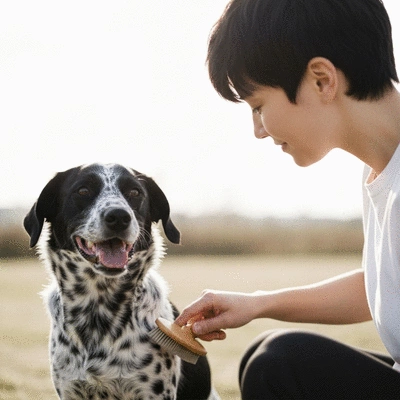
Brushing your dog's coat is like giving them a mini spa treatment! Not only does it remove tangles and mats, but it also stimulates the skin, promoting a healthy coat. Regular brushing can also be a bonding experience between you and your pet, helping to build trust and comfort.
By integrating brushing into your dog care routine, you’re not just enhancing their appearance; you’re contributing to their overall well-being. A clean and well-groomed dog is a happy dog!
The frequency of brushing largely depends on your dog's coat type. Long-haired breeds typically require more frequent grooming compared to short-haired ones. For instance, dogs like Golden Retrievers may need to be brushed daily, while short-haired breeds like Pugs might only need weekly sessions.
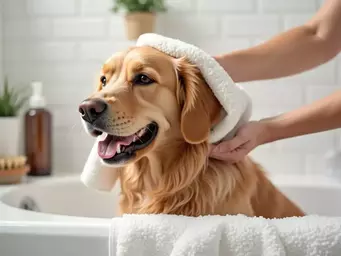
Understanding your dog's specific needs will help you keep their coat healthy and minimize shedding around the house. It’s all about finding that balance that works for you and your pet! You can also explore effective dog drying techniques explained to further prevent matting and maintain coat health.
When it comes to brushing frequency, consider your dog's breed and their coat condition. Here are some guidelines to help you:
By following these breed-specific recommendations, you’ll be well on your way to ensuring that your dog’s coat remains beautiful and healthy. Remember, the right brushing routine can make all the difference!
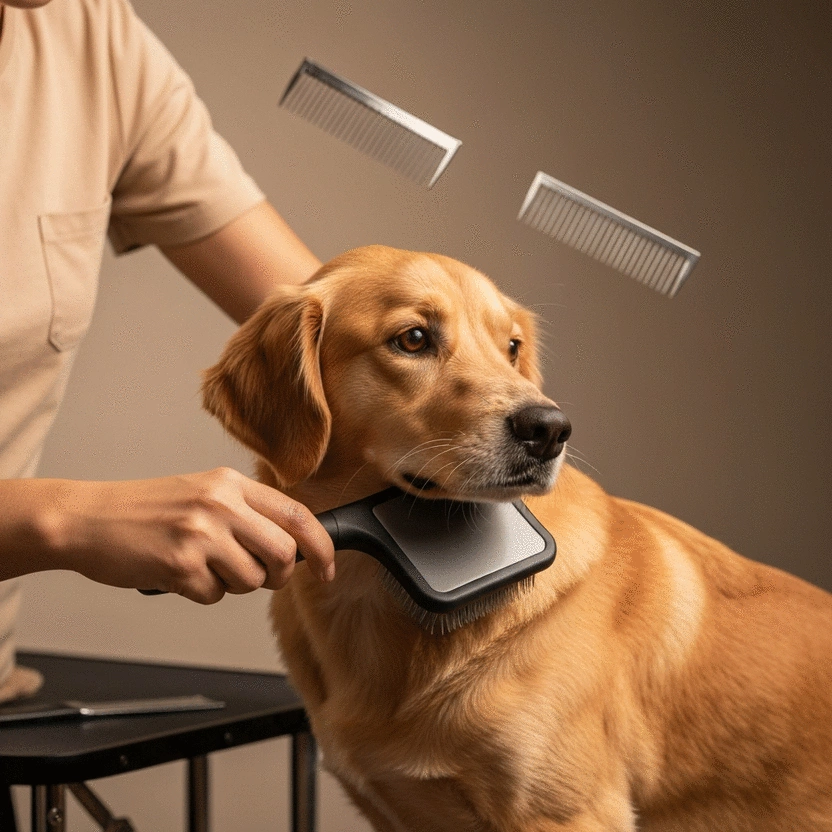
To enhance your dog brushing routine, consider incorporating a grooming spray or conditioner specifically designed for dogs. This can help reduce static, make brushing easier, and leave your dog’s coat smelling fresh. Additionally, always brush your dog in a quiet, calm environment to make the experience more enjoyable and stress-free for both of you!
A: Regular brushing removes dirt, loose hair, and dander, reduces allergens, prevents matting and skin irritations, distributes natural oils for a healthy coat, and strengthens the bond between you and your dog.
A: The frequency depends on your dog's coat type. Short-haired breeds typically need brushing once a week, medium-haired breeds every few days, and long-haired breeds ideally daily.
A: Brushing removes tangles and mats, stimulates the skin to promote a healthy coat, distributes natural oils for shine, and reduces shedding and allergens in your home.
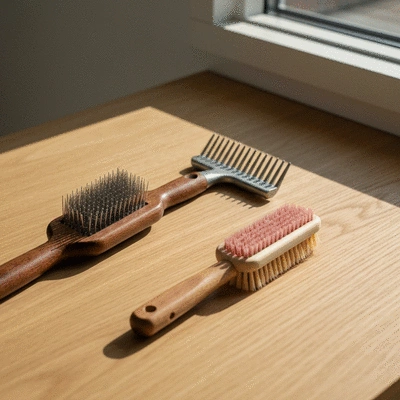
A: Essential tools include a slicker brush for removing loose hair and preventing mats, an undercoat rake for double-coated breeds, and a bristle brush for short-haired breeds to distribute oils and add shine.
A: Signs of a healthy coat include a natural shine, a soft texture (not brittle or coarse), no tangles or mats, and minimal shedding.
As we wrap up our discussion on dog brushing, it's crucial to remember that establishing a consistent brushing routine plays a vital role in your dog's overall coat health. Not only does regular brushing prevent matting and shedding, but it also promotes a shiny, healthy coat. I’ve seen firsthand at FreshPaws Habitat how a simple routine can transform both a dog's comfort and the cleanliness of your home!
When you make brushing a part of your regular care, you’re investing in your dog's well-being. It helps remove dirt, debris, and loose fur while distributing natural oils that keep the coat healthy. Plus, it’s a great bonding activity for you and your furry friend!
Creating a brushing schedule tailored to your dog's needs will not only keep their coat looking fantastic but also enhance their comfort. Here are some key reasons to establish a brushing routine:
By prioritizing your dog's grooming routine, you're supporting their comfort and happiness, which is what we strive for at FreshPaws Habitat!
Equipping yourself with the right tools and techniques can make all the difference in your dog's grooming experience. Investing in quality brushes suited for your dog's coat type ensures effective grooming. Here are some essential tools to consider:
Using the appropriate tools will not only make grooming more efficient but also ensure your dog enjoys the process. Remember, a happy dog equals a happy owner! For more tips on maintaining a clean environment around your pet, check out our guide on dog-friendly cleaning tips for homes.
When it comes to assessing your dog's coat health, there are several indicators to look out for. Here’s what to keep an eye on:
At FreshPaws Habitat, we believe that recognizing these signs can help you take proactive steps in maintaining your dog's coat health!
I’d love to hear from fellow dog owners! What grooming tips have you found helpful? Share your experiences and let’s create a community of dog lovers helping each other out!
Have questions about brushing techniques or tools? Feel free to reach out! I’m here to help you navigate the best practices for keeping your dog’s coat in tip-top shape. Together, we can learn how to make grooming a more enjoyable experience for both you and your furry companion!
Here is a quick recap of the important points discussed in the article:
Canine wellness advocate. Founder of FreshPaws Habitat. Dedicated to enhancing the lives of dogs and their owners.
Elena McCarthy is dedicated to transforming dog's living spaces into healthier, cleaner environments, empowering dog owners to embrace a proactive care routine. Join her on our blog for daily tips and tailored strategies that simplify your pet care and enhance your dog's well-being.
Canine Wellness Advocate. Founder of FreshPaws Habitat. Dedicated to enhancing the lives of dogs and their owners.
Elena McCarthy is dedicated to transforming dog owners' homes into clean, comfortable, and healthy habitats, empowering fellow dog lovers to embrace a proactive approach to pet hygiene. Join her on our blog for expert insights and practical strategies that simplify your pet care routines and enhance your dog's well-being.