How Wet Dog Smell Affects Your Home Environment
- •Reduced Air Quality
- •Cleaning Challenges
- •Emotional Impact
Welcome to FreshPaws Habitat!
Apr 11
Have you ever wondered why your furry friend has a distinct odor after a bath? Understanding the science behind the wet dog smell can not only help you manage it better but also enhance your home environment for both you and your pet.
The intensity of "wet dog smell" is influenced by several factors, ranging from your dog's physiological traits to environmental and care routines. For more ways to keep your home fresh, consider these dog-friendly cleaning tips for homes.
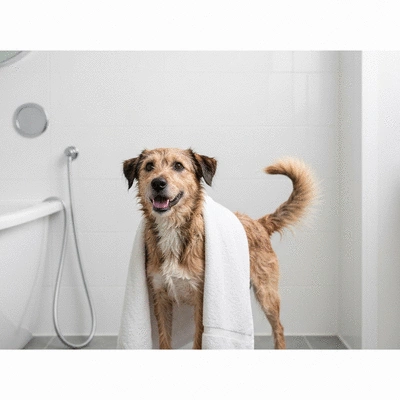
As a devoted dog owner, I’ve often asked myself, “Why does my dog smell so bad after a bath?” It turns out, the wet dog smell is a common concern for many of us who love our furry friends. This distinctive odor arises primarily from the natural oils and bacteria present on your dog's coat. When wet, these elements combine to create that unmistakable scent that can linger long after your pet has dried off.
Understanding the causes of wet dog smell can help us address it effectively. Factors such as the type of coat your dog has, their activity levels, and even their diet can all contribute to the intensity of this odor. When we know what triggers the smell, we can take proactive steps to keep our homes smelling fresh!
Remember, dogs naturally have oils on their skin that serve to protect and moisturize their coats. When they get wet, these oils can mix with dirt and bacteria, leading to that characteristic smell. Knowing the reasons behind this scent empowers us to take better care of our pets and their hygiene! For detailed information on drying techniques, explore effective dog drying techniques explained.
Wet dog smell can impact more than just your pup; it can affect the entire atmosphere of your home. A lingering odor can create an uncomfortable environment, making it less inviting for guests and even for you! It can also mask other scents, making it hard to pinpoint if something else is amiss.
Here are some ways wet dog smell can influence your home:
At FreshPaws Habitat, we believe in creating a fresh and welcoming environment for both you and your pet. By understanding the sources of wet dog smell and its effects, we can establish effective strategies to maintain a pleasant home atmosphere!
We want to know your thoughts! How do you manage wet dog smell in your home? Select your preferred method:
The wet dog smell is caused by a combination of natural oils, bacteria, and microscopic yeast on your dog's skin and coat. When these compounds get wet, water helps to release volatile organic compounds into the air, intensifying the odor.
Several factors contribute to the intensity of wet dog smell, including coat type (denser or longer coats retain more moisture), skin health (issues like allergies or infections can increase odor), and diet (a diet lacking essential fatty acids can affect coat quality).
Lingering wet dog odors can contribute to poor indoor air quality, making your home feel less fresh and potentially exacerbating allergies. It can also create an uncomfortable environment for both residents and guests.
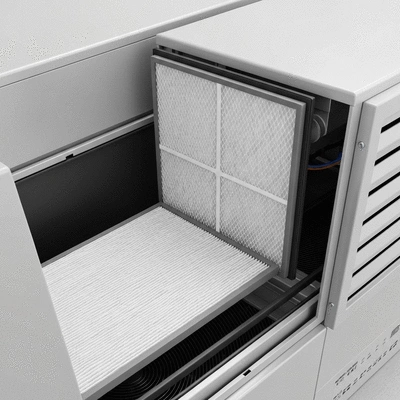
Regular HVAC maintenance, such as changing air filters every few months and professional duct cleaning, helps filter out pet dander, allergens, and odors from the air, significantly improving indoor air quality and reducing the prevalence of wet dog smell.
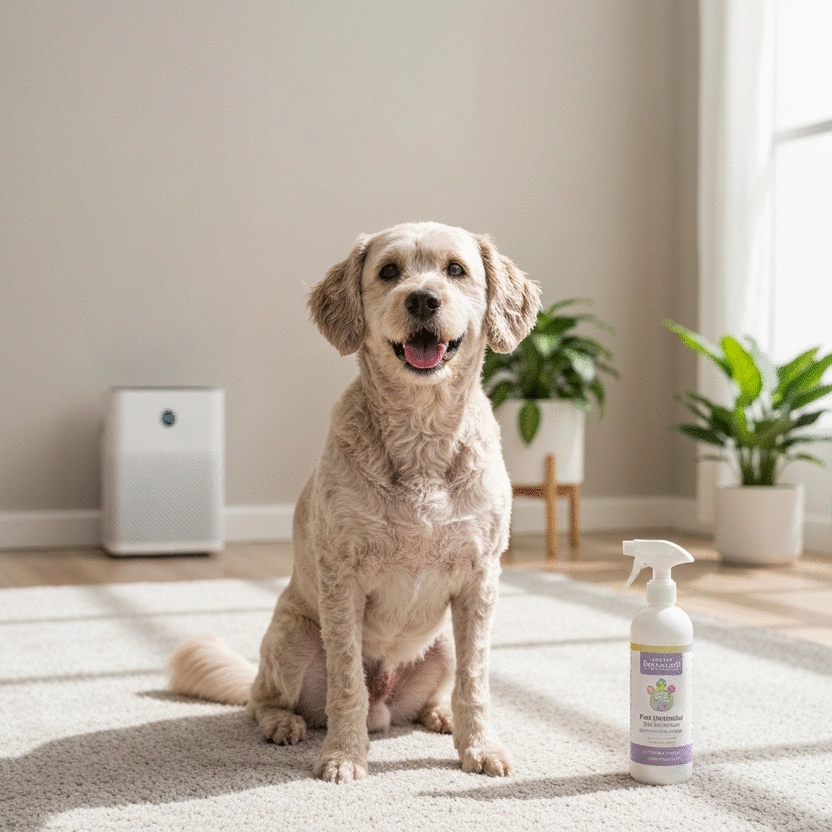
Long-term strategies include establishing a consistent grooming routine (brushing, bathing, ear cleaning), maintaining your HVAC system, designating specific areas for pet items, using pet-safe cleaning products, and incorporating air purifiers in common areas.
When it comes to keeping your home free from that wet dog smell, having a long-term strategy is essential! It’s not just about quick fixes; it’s about creating a lasting environment that is clean and fresh for both you and your furry friends. Here are some practical steps you can take to ensure your home stays odor-free.
Your heating, ventilation, and air conditioning (HVAC) system plays a crucial role in air quality. Regular maintenance helps to filter out pet odors and allergens effectively. I recommend checking your HVAC filters at least every three months. Here’s what you can do:
By keeping your HVAC system in top shape, you create a healthier space for both you and your beloved pets!
If you have multiple dogs, managing odors can be a bit more challenging. However, with the right approach, it’s totally doable! Here are some tips that have worked for my family and our furry crew:
Each of these strategies can help mitigate the odors that come with having several pets. The key is consistency!
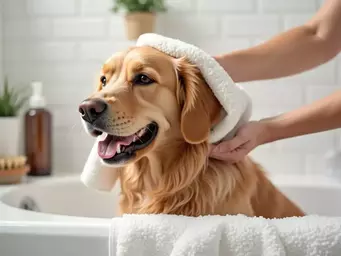
Regular grooming is vital for keeping your dog clean and odor-free. This not only benefits your dog’s coat but also helps in maintaining a fresh-smelling home. I like to schedule grooming sessions for my pups every few weeks. For a comprehensive guide, check out how to build a preventative dog hygiene routine. Here are some tips you can follow:
By establishing a regular grooming schedule, you’ll notice a significant reduction in odors and an increase in your dog’s overall comfort!
Here is a quick recap of the important points discussed in the article:
Canine wellness advocate. Founder of FreshPaws Habitat. Dedicated to enhancing the lives of dogs and their owners.
Elena McCarthy is dedicated to transforming dog's living spaces into healthier, cleaner environments, empowering dog owners to embrace a proactive care routine. Join her on our blog for daily tips and tailored strategies that simplify your pet care and enhance your dog's well-being.
Canine Wellness Advocate. Founder of FreshPaws Habitat. Dedicated to enhancing the lives of dogs and their owners.
Elena McCarthy is dedicated to transforming dog owners' homes into clean, comfortable, and healthy habitats, empowering fellow dog lovers to embrace a proactive approach to pet hygiene. Join her on our blog for expert insights and practical strategies that simplify your pet care routines and enhance your dog's well-being.