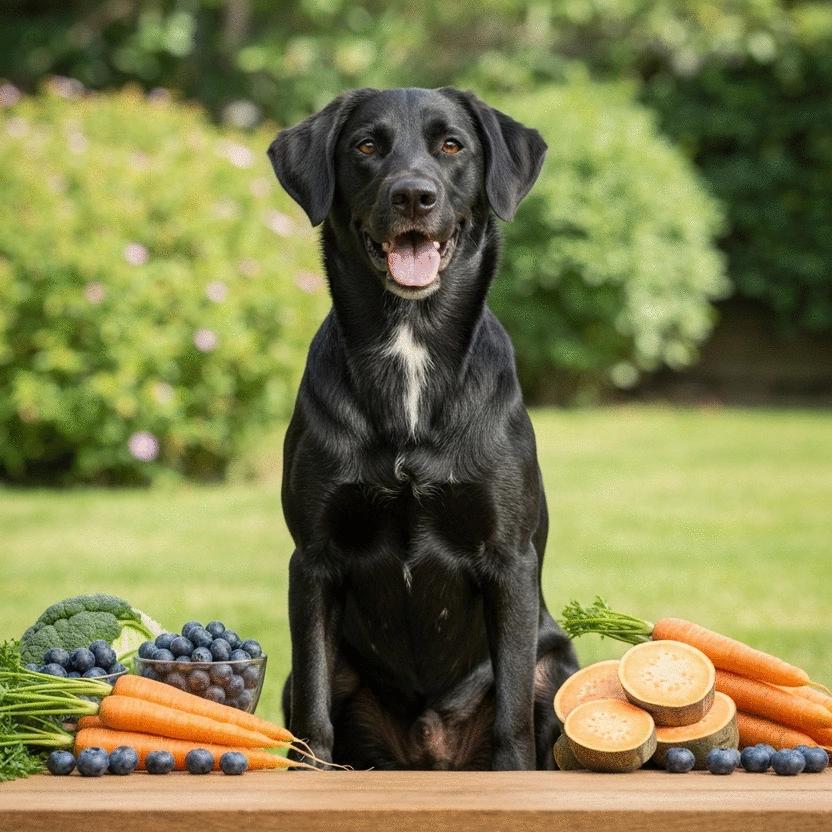
Healthy skin is more than just a cosmetic concern for your dog—it's essential to their overall well-being. With a few proactive measures, you can ensure your furry friend leads a comfortable and happy life. Let’s explore the vital aspects of maintaining your dog's skin barrier and coat health.
What You Will Learn
The skin barrier is crucial for your dog's defense against irritants and pathogens, contributing to overall health.
Common skin issues in dogs include allergies, hot spots, and dermatitis, often linked to environmental factors.
Choosing high-quality dog food with proper protein and fatty acids can significantly enhance skin and coat health.
Regular evaluation of your dog's diet can help identify nutritional deficiencies and improve their overall comfort.
Prioritizing Pet Health: Key Focus Areas for Dog Skin & Coat Wellness
Maintaining your dog's skin and coat health involves understanding potential issues, optimizing their diet, and incorporating safe supplements. The visual below highlights these critical aspects, offering practical tips for every dog owner. For more insights on comprehensive pet care, check out our guide on building a preventative dog hygiene routine.
Common Skin Issues & Environmental Factors
Understanding the root causes of skin problems is the first step towards a healthier dog.
Allergies: Often from environmental factors or food.
Hot Spots: Inflamed areas from excessive licking/scratching.
Supplements can fill nutritional gaps, but always with caution.
Vet Consultation: Essential before introducing any supplement.
Start Slowly: Introduce one at a time to monitor reactions.
Follow Dosage: Adhere strictly to recommended amounts based on weight.
Integration: Mix with food for easier administration.
SUPPORT & CARE
Understanding Your Dog's Skin Barrier and Coat Health
As a devoted canine wellness advocate, I’ve seen firsthand how a dog's skin barrier plays a critical role in their overall health and vitality. The skin barrier is your dog's first line of defense against environmental aggressors, pathogens, and allergens. It’s essential for keeping moisture in and irritants out, which contributes to a happy and healthy pup!
When the skin barrier is compromised, it can lead to various issues such as dryness, irritation, and even infections. Understanding how to maintain this barrier is crucial for ensuring your furry friend thrives in their environment, both physically and emotionally. Let’s delve deeper into why skin barrier integrity matters for your dog's health.
Why Skin Barrier Integrity Matters
A well-functioning skin barrier not only protects against harmful bacteria and allergens, but it also helps regulate your dog's body temperature and hydration levels. When you maintain the health of your dog's skin, you're supporting their immune system and overall well-being.
Prevents moisture loss: A strong skin barrier locks in hydration, keeping your dog’s skin supple and healthy.
Protects against allergens: Healthy skin serves as a shield against environmental allergens like pollen and dust.
Supports healing: An intact skin barrier aids in faster recovery from injuries or irritations.
By taking proactive steps to nurture your dog’s skin health, you can help ensure they enjoy a comfortable and happy life. This means exploring healthy diets, regular grooming, and understanding the impacts of the environment on their well-being. For more on maintaining a clean living space for your dog, consider our dog-friendly cleaning tips.
Common Skin Issues in Dogs
Just like us, dogs can experience a variety of skin conditions that can affect their quality of life. Some of the most prevalent skin issues include allergies, hot spots, and dermatitis. Understanding these conditions is essential for every dog owner.
Allergies: Often triggered by environmental factors like pollen or food ingredients, allergies can lead to itching and discomfort.
Hot Spots: These painful, inflamed areas typically arise from excessive scratching or licking, often requiring veterinary attention.
Dermatitis: This broad term covers inflammation of the skin, which can be caused by anything from irritants to infections.
Interestingly, diet can play a significant role in managing these conditions. Providing high-quality ingredients and avoiding common allergens can help minimize flare-ups and keep your dog's skin healthy. Remember, a well-balanced diet contributes not just to your dog's skin but also to their overall happiness!
Identifying Allergies and Environmental Factors Affecting Skin Health
Many dog owners may not realize how allergies and environmental factors can lead to significant skin issues for their furry friends. It's important to observe your dog’s behavior and look for signs that might indicate an allergic reaction.
Frequent scratching or licking: This behavior can signify that something is irritating your dog's skin.
Red or inflamed areas: Visible signs of inflammation often indicate an underlying issue.
Changes in coat condition: Dullness, excessive shedding, or patches of hair loss could point to allergies or other skin issues.
By identifying these signs early, you can take steps to mitigate the impact of allergens and improve your dog's comfort. Regular veterinary check-ups and consultations can also help tailor a strategy that works best for your pup’s specific needs!
Pro Tip
To further enhance your dog's skin health, consider incorporating foods high in omega fatty acids, such as salmon or flaxseed oil. These essential fats nourish the skin from the inside out, promoting a shiny coat and reducing skin irritation. Always consult your veterinarian before adding new supplements to ensure they fit your dog's dietary needs!
Practical Tips for Enhancing Your Dog's Diet
As a devoted canine wellness advocate, I understand that enhancing your dog's diet can significantly impact their skin and coat health. The right approach can lead to noticeable improvements, not just in their appearance but also in their overall well-being! Here are some practical tips I recommend.
Choosing the Right Dog Food for Skin Health
When it comes to selecting dog food, quality is key! Look for vet-recommended options that contain high-quality ingredients specifically designed to support skin and coat health. Consider these factors:
Protein Sources: Ensure the food has named animal proteins, such as chicken, turkey, or fish, as the first ingredient.
Healthy Fats: Look for foods rich in omega-3 and omega-6 fatty acids to nourish the skin.
Grain-Free or Whole Grains: Depending on your dog's needs, you may want to opt for grain-free or whole grain options that are gentle on digestion.
Limited Ingredients: For dogs with sensitivities, limited ingredient diets can help identify and avoid allergens.
By choosing the right dog food, you can contribute to your pup's vibrant coat and healthy skin. It’s all about what goes into their bowl!
Incorporating Supplements Safely
Introducing supplements can be a fantastic way to enhance your dog's diet, but it’s crucial to do this safely. Start by consulting your veterinarian about which supplements are appropriate for your dog's specific needs. Here are some steps to follow:
Start Slow: Introduce one supplement at a time to monitor for any reactions.
Follow Dosage Recommendations: Adhere to the recommended dosages based on your dog's weight and health needs.
Mix with Food: Incorporate supplements seamlessly by mixing them into your dog’s food.
By taking these steps, you can ensure your dog receives the benefits of supplements without any adverse effects. Remember, a gradual approach works wonders!
Evaluating Your Dog's Diet: A Nutritional Assessment Approach
Regularly assessing your dog's diet is crucial for identifying any nutritional deficiencies. Here's a simple process to evaluate what your dog is eating:
Keep a Food Diary: Track what your dog eats daily, including any treats or supplements.
Observe Changes: Note any changes in skin condition, energy levels, or overall health.
Consult Your Vet: Schedule a check-up to discuss your findings and seek professional advice on potential dietary adjustments.
By evaluating your dog's diet, you become an active participant in their health journey. It’s about providing the best care possible, and I'm here to support you every step of the way! For tips on preventing common issues like matting after baths, refer to our article on preventing coat matting.
Recap of Key Points
Here is a quick recap of the important points discussed in the article:
A healthy skin barrier is essential for your dog's overall health, preventing moisture loss and protecting against allergens.
Common skin issues in dogs include allergies, hot spots, and dermatitis, which can often be managed through diet and care.
Identifying signs of allergies early, such as frequent scratching or changes in coat condition, is crucial for your dog's comfort.
Choosing high-quality dog food with proper protein sources and healthy fats can significantly improve skin and coat health.
Consulting your veterinarian before introducing supplements ensures safety and efficacy for your dog’s specific needs.
Regularly evaluating your dog's diet helps identify nutritional deficiencies and supports their overall well-being.
Frequently Asked Questions
Q: Why is my dog's skin barrier important?
A: The skin barrier is your dog's first line of defense against environmental aggressors, pathogens, and allergens. It keeps moisture in and irritants out, regulating body temperature and hydration levels, and supporting their immune system and overall well-being.
Q: What are common skin issues in dogs?
A: Common skin issues include allergies (triggered by environmental factors or food), hot spots (inflamed areas from excessive licking/scratching), and dermatitis (general skin inflammation from irritants or infections).
Q: How can diet affect my dog's skin and coat health?
A: A balanced diet with high-quality ingredients, especially named animal proteins and healthy fats (like Omega-3 and Omega-6 fatty acids), is fundamental for a shiny coat and resilient skin. It can also help minimize flare-ups of common skin conditions.
Q: What should I look for when choosing dog food for skin health?
A: Look for foods with named animal proteins as the first ingredient, rich in omega-3 and omega-6 fatty acids. Consider grain-free or whole grain options and limited ingredient diets for sensitive dogs.
Q: Is it safe to give my dog supplements for skin health?
A: Supplements can fill nutritional gaps, but always consult your veterinarian before introducing any. Start slowly with one supplement at a time, follow dosage recommendations based on your dog's weight, and mix with food for easier administration.
Elena McCarthy
Canine wellness advocate. Founder of FreshPaws Habitat. Dedicated to enhancing the lives of dogs and their owners.
Elena McCarthy is dedicated to transforming dog's living spaces into healthier, cleaner environments, empowering dog owners to embrace a proactive care routine. Join her on our blog for daily tips and tailored strategies that simplify your pet care and enhance your dog's well-being.
Canine Wellness Advocate. Founder of FreshPaws Habitat. Dedicated to enhancing the lives of dogs and their owners.
Elena McCarthy is dedicated to transforming dog owners' homes into clean, comfortable, and healthy habitats, empowering fellow dog lovers to embrace a proactive approach to pet hygiene. Join her on our blog for expert insights and practical strategies that simplify your pet care routines and enhance your dog's well-being.