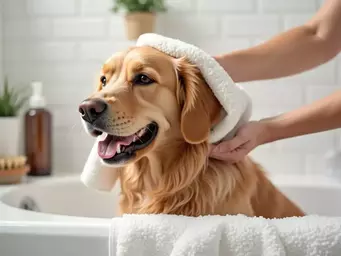
Every dog owner has faced the challenge of drying their furry friend after a bath. Did you know that the method you choose can significantly impact your dog's comfort and coat health? Understanding the different drying techniques and tools available can transform bath time from a chore into a positive experience for both you and your pet.
What You Will Learn
Proper drying techniques are essential for preventing skin irritations and infections in dogs.
Air drying is gentler but takes longer, while blow drying is quicker and helps prevent matting in long-haired breeds.
Investing in the right grooming tools, such as high-velocity pet dryers and absorbent towels, can enhance your dog's drying experience.
Understanding the grooming frequency and maintenance costs can help you choose the best drying method for your dog's needs.
Drying Methods for Dogs: A Comparative Overview
Selecting the appropriate drying method for your dog is crucial for their comfort, hygiene, and overall health. This comparison highlights the key differences between air drying and blow drying, helping you make an informed decision for your furry friend. For more details on maintaining your dog's overall well-being, explore building a preventative dog hygiene routine.
Air Drying: Natural & Gentle
This method uses natural airflow, ideal for sensitive skin, but requires more time and supervision.
✓Cost:Low (No additional costs)
✗Time Efficiency:High (Longer drying time)
✗Health Consideration:Potential for dampness (skin issues)
Blow Drying: Fast & Effective
This technique is faster and better for preventing matting, especially for long coats, but requires careful use.
✗Cost:Medium (Initial dryer investment)
✓Time Efficiency:Low (Faster drying time)
✓Health Consideration:Less risk of dampness (prevents fungal infections)
Understanding Dog Drying Methods: An Overview
When it comes to maintaining your dog's hygiene and comfort, understanding the right drying methods is essential. As a devoted canine wellness advocate, I’ve seen how the right technique can enhance your furry friend’s well-being. A proper drying routine not only keeps your dog's coat looking great but also supports their overall skin health!
For many dog owners, the drying process after a bath can feel daunting. However, it doesn’t have to be! With the right knowledge, you can choose the method that best suits your dog's needs, making bath time a breeze!
Why Dog Drying Techniques Matter for Pet Owners
Drying your dog properly is crucial for several reasons. It can help prevent skin issues, maintain a healthy coat, and ensure your pet feels comfortable after their bath. Moreover, proper drying techniques can minimize odors and reduce the risk of matting, which is especially important for long-haired breeds. For more comprehensive guidance, check out effective drying routine for dogs.
Prevents skin irritations and infections
Reduces the risk of matting and tangles
Helps keep your home smelling fresh
Enhances comfort post-bath
By investing time in understanding these techniques, you’re taking a significant step toward ensuring your dog's hygiene and comfort. As someone who has spent a lot of time with dogs, I can assure you that your pup will thank you for it!
Key Differences Between Air Drying and Blow Drying
When it comes to drying methods, there are two primary techniques: air drying and blow drying. Each has its advantages depending on your dog's coat type and environment. To help you make an informed choice, let's break down the key differences:
Air Drying: This method is gentle and utilizes natural airflow. It's ideal for dogs with sensitive skin but can take longer.
Blow Drying: This technique is faster and can be more effective for preventing matting, especially for longer coats. However, it requires careful consideration of heat settings and airflow.
Choosing the right method for your dog can make a significant difference in their grooming experience. As you explore the options, remember that some dogs may prefer one technique over the other!
Essential Grooming Tools for Dog Drying
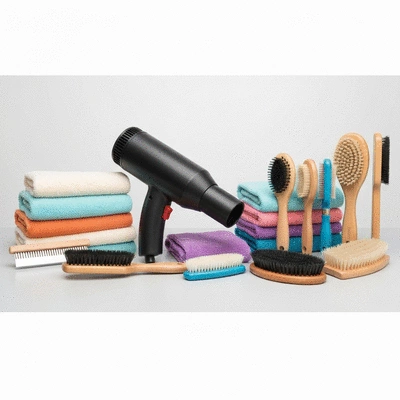
Having the right tools on hand can make all the difference in your dog drying routine. Here are some must-have items that I recommend for effective drying:
High-velocity pet dryer: These specialized dryers offer powerful airflow without overheating, making them perfect for maintaining coat health.
Absorbent towels: Microfiber towels can help soak up excess moisture before using any drying methods.
Brushes: A good brush helps remove tangles and distributes natural oils, promoting a healthy coat.
Dog-safe blow dryer: If you choose blow drying, ensure you use a dryer designed for pets, as they can handle their unique needs better.
By having these tools handy, you can streamline the drying process and create a positive experience for your dog. Remember, their comfort and happiness are at the heart of everything we do at FreshPaws Habitat! To learn more about selecting the best equipment, consider choosing the right dog dryer.
Pro Tip
Did you know? Consistently using a high-velocity pet dryer can not only speed up the drying process but also help distribute your dog's natural oils, promoting a healthier and shinier coat. Plus, it minimizes the risk of dampness that can lead to skin issues!
Making an Informed Decision: Air Drying vs. Blow Drying
When it comes to choosing the best drying method for your dog, it's crucial to weigh the pros and cons of air drying and blow drying. Each technique has its own set of advantages that can impact not only your dog's comfort but also their long-term health. At FreshPaws Habitat, I always advocate for informed decision-making, especially when it relates to our furry companions!
One key difference lies in the cost and the potential health benefits associated with each method. While air drying may seem less expensive, blow drying can sometimes be the more effective choice for certain breeds, especially those prone to skin issues. Understanding these factors can help you choose the method that suits both your budget and your dog's needs.
Comparing Costs and Long-Term Health Benefits
Air Drying: Generally involves no additional costs, but it can take significantly longer and may require more supervision.
Blow Drying: Initial investment in a quality pet dryer can be higher, but it saves time and can help maintain coat health.
Health Benefits: Blow drying can prevent dampness close to the skin, reducing the risk of fungal infections and matting.
As dog owners, we want the best for our pets! If you've ever had a wet dog curling up on your couch, you know that moisture can lead to unwanted odors and even health concerns. Investing in a good blow dryer can make a significant difference in both hygiene and comfort. Plus, it often speeds up the grooming process!
Visual Resources: Charts and Comparisons for Easy Reference
Visual aids can simplify the decision-making process! I often recommend creating a comparison chart that outlines the benefits and drawbacks of each drying method. This can help you visualize what’s best for your dog's specific needs. Here’s a quick comparison to consider:
Drying Method
Cost
Time Efficiency
Health Consideration
Air Drying
Low
High
Potential for dampness
Blow Drying
Medium
Low
Less risk of dampness
Creating such a visual resource can help you quickly assess which method aligns with your lifestyle and your dog’s grooming needs. At FreshPaws Habitat, I always encourage dog owners to keep their dogs' well-being at the forefront of every grooming decision.
Evaluating Grooming Frequency and Maintenance Costs
Another factor to consider is how often you’ll need to groom your dog. Some breeds require more frequent baths and drying sessions than others. This can impact both the time and money you invest in grooming. For dog owners like us who want to keep our homes clean and our pets happy, understanding the grooming frequency can help us budget accordingly.
High-Maintenance Breeds: May require blow drying regularly to keep their coat healthy.
Low-Maintenance Breeds: Air drying may suffice, especially if they don’t get too dirty.
Frequency: Determine how often your dog needs a bath to evaluate ongoing costs.
Remember, a well-groomed dog is a happy dog! Making the right choice between air drying and blow drying can contribute to your pet's overall health and comfort, reinforcing our mission at FreshPaws Habitat to promote clean and nurturing living spaces for our furry friends.
Frequently Asked Questions (FAQs) About Dog Drying Methods
Here are some common questions about drying your dog after a bath, addressing key concerns for pet owners:
Q1: Why is proper drying important for my dog?
A1: Proper drying prevents skin irritations, fungal infections, and matting, especially in long-haired breeds. It also contributes to a healthier coat and overall comfort for your pet, while minimizing odors in your home.
Q2: What are the main differences between air drying and blow drying?
A2: Air drying is a natural, gentle method, ideal for sensitive skin, but takes longer and may leave dogs damp. Blow drying is faster and more effective for preventing matting, particularly for long coats, but requires careful temperature control and an initial investment in equipment.
Q3: What grooming tools are essential for dog drying?
A3: Essential tools include high-velocity pet dryers for efficient drying without excessive heat, absorbent microfiber towels to remove initial moisture, and brushes to untangle fur and distribute natural oils. Always use a dog-specific dryer if opting for this method.
Q4: How do I choose the best drying method for my dog?
A4: Consider your dog's coat type, skin sensitivity, and grooming frequency. Air drying suits dogs with sensitive skin or short coats, while blow drying is better for long-haired breeds prone to matting or those requiring faster drying. Evaluate the time and cost investment for each method.
Q5: Can blow drying harm my dog?
A5: If not done carefully, human hair dryers can be too hot and potentially burn your dog's skin. Always use a dog-specific dryer with adjustable heat and speed settings, keep a safe distance, and monitor your dog's comfort level to prevent overheating or anxiety.
Taking the Next Steps in Dog Grooming
Now that we've covered the comparison, it's time to explore the next steps in effective dog grooming! For more in-depth information, refer to our guide on drying techniques for healthy dogs.
Recap of Key Points
Here is a quick recap of the important points discussed in the article:
Proper dog drying techniques are vital for preventing skin issues and maintaining a healthy coat.
Air drying is gentle and ideal for sensitive skin but takes longer, while blow drying is faster and effective for long-haired breeds.
Essential grooming tools include high-velocity pet dryers, absorbent towels, good brushes, and dog-safe blow dryers.
Evaluate your dog's grooming frequency and choose the drying method that suits their needs and your lifestyle.
Create visual resources, like comparison charts, to simplify the decision-making process for dog grooming techniques.
Elena McCarthy
Canine wellness advocate. Founder of FreshPaws Habitat. Dedicated to enhancing the lives of dogs and their owners.
Elena McCarthy is dedicated to transforming dog's living spaces into healthier, cleaner environments, empowering dog owners to embrace a proactive care routine. Join her on our blog for daily tips and tailored strategies that simplify your pet care and enhance your dog's well-being.
Canine Wellness Advocate. Founder of FreshPaws Habitat. Dedicated to enhancing the lives of dogs and their owners.
Elena McCarthy is dedicated to transforming dog owners' homes into clean, comfortable, and healthy habitats, empowering fellow dog lovers to embrace a proactive approach to pet hygiene. Join her on our blog for expert insights and practical strategies that simplify your pet care routines and enhance your dog's well-being.